
Listed & period homes
Older homes deserve thoughtful change.
Listed and period properties can evolve, but good design starts by understanding what gives the home its character, what deserves to stay and where change can make modern life work better without flattening the building’s identity.
Start With Your Home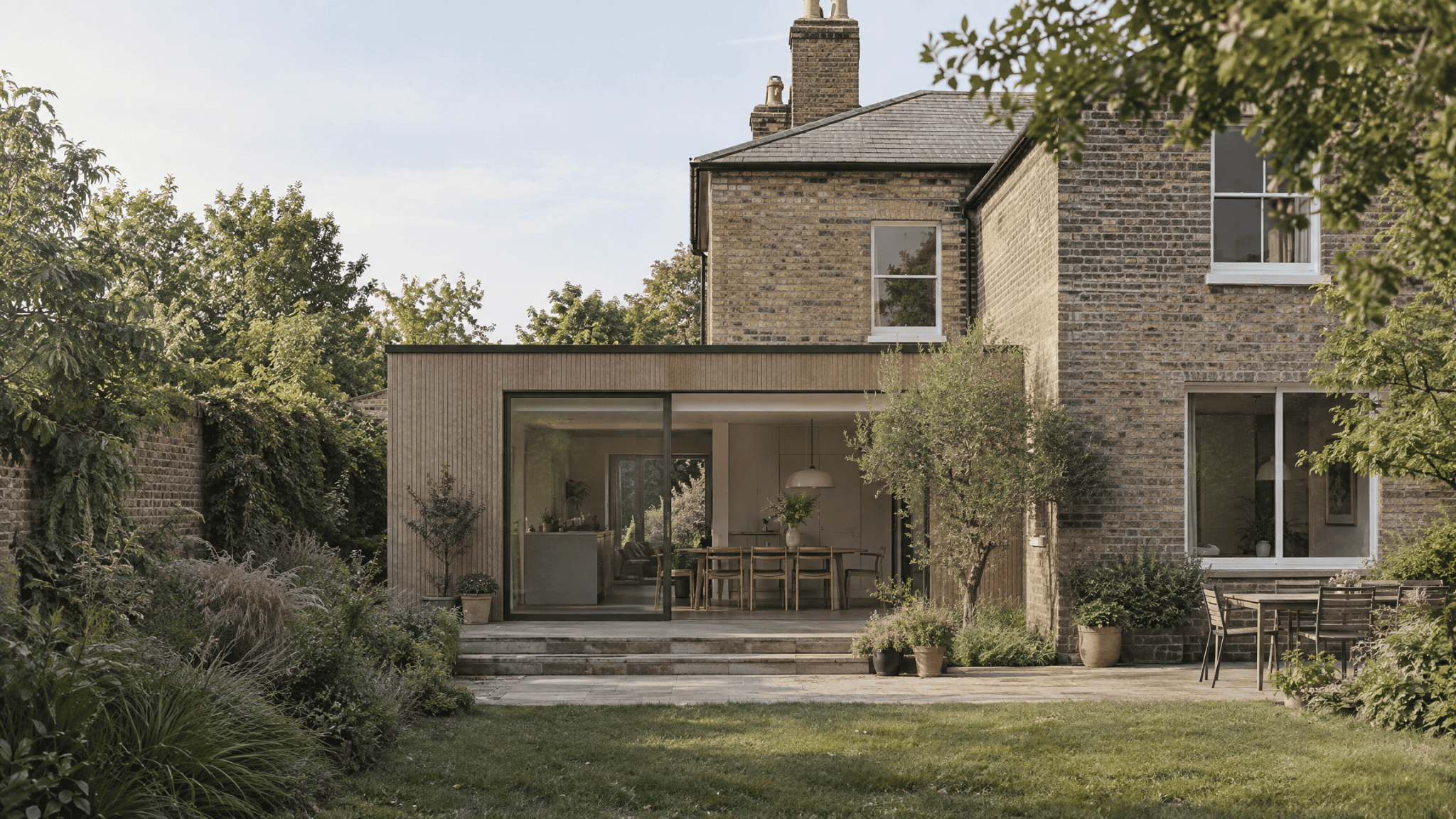
Period home · Character + change
Thoughtful change
Start with what gives the home its character.
Proportions, original fabric, windows, fireplaces, roof form, circulation, materials and setting can all influence what should be retained, repaired, adapted or added.
Heritage & Conservation01 · Retain
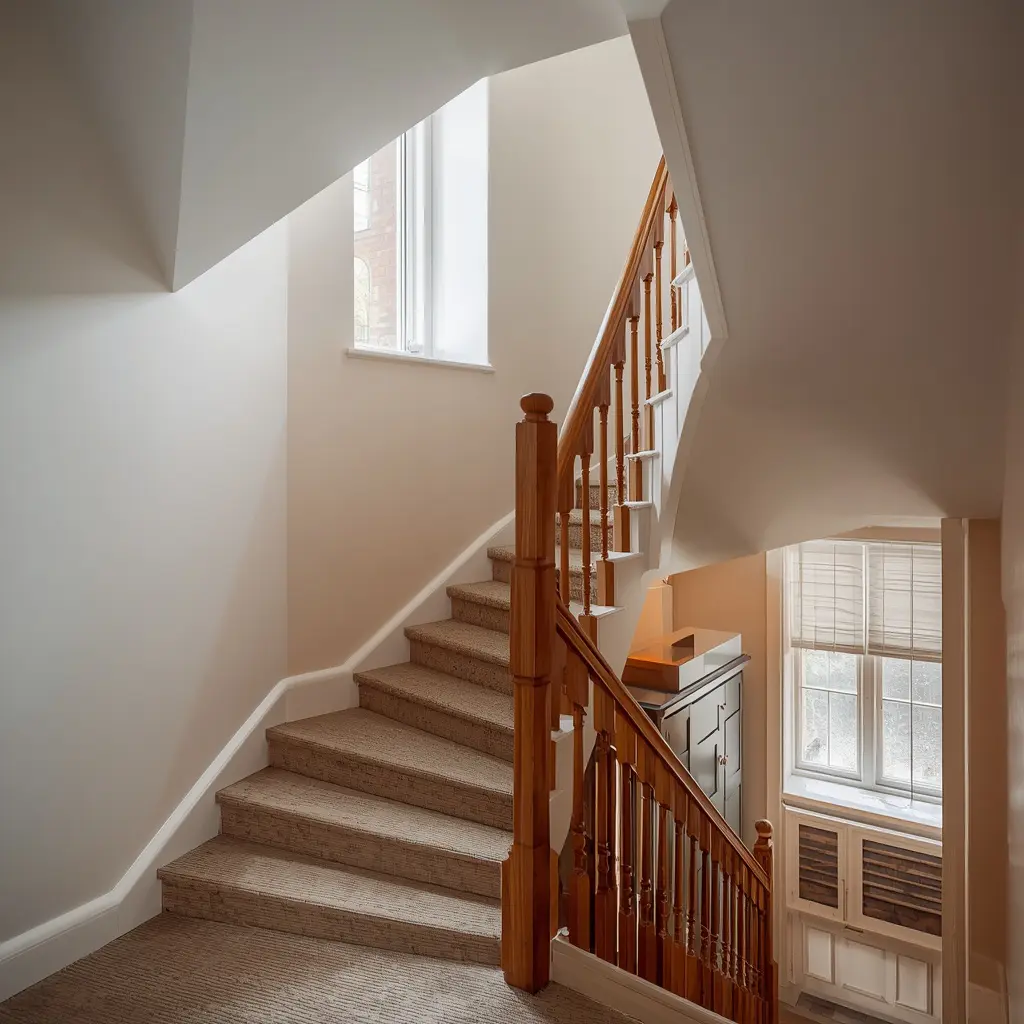
Keep what genuinely matters.
Original or significant fabric can carry much of the building’s identity and should not be removed casually.
Retain
02 · Repair
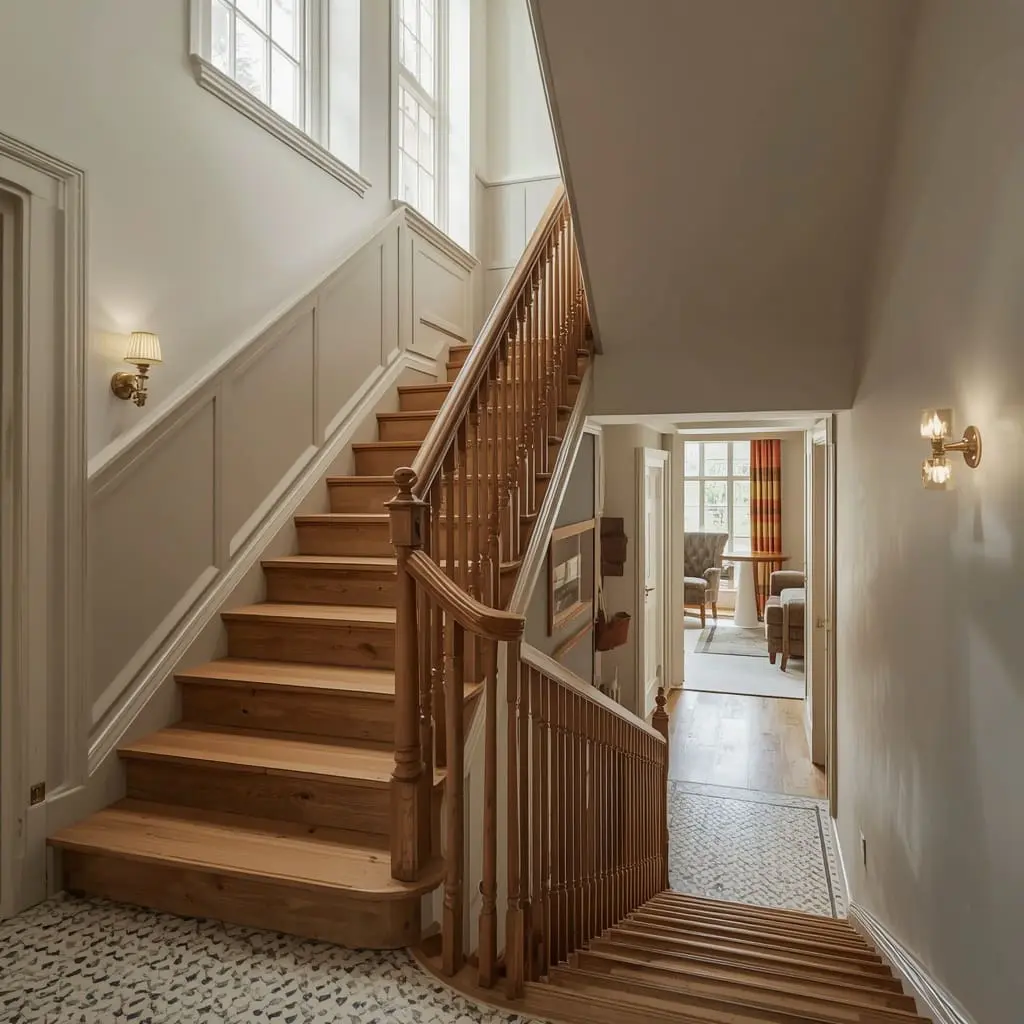
Fix what has value before replacing it.
Repair can preserve character and avoid unnecessary loss where fabric is still serviceable.
Repair
03 · Adapt
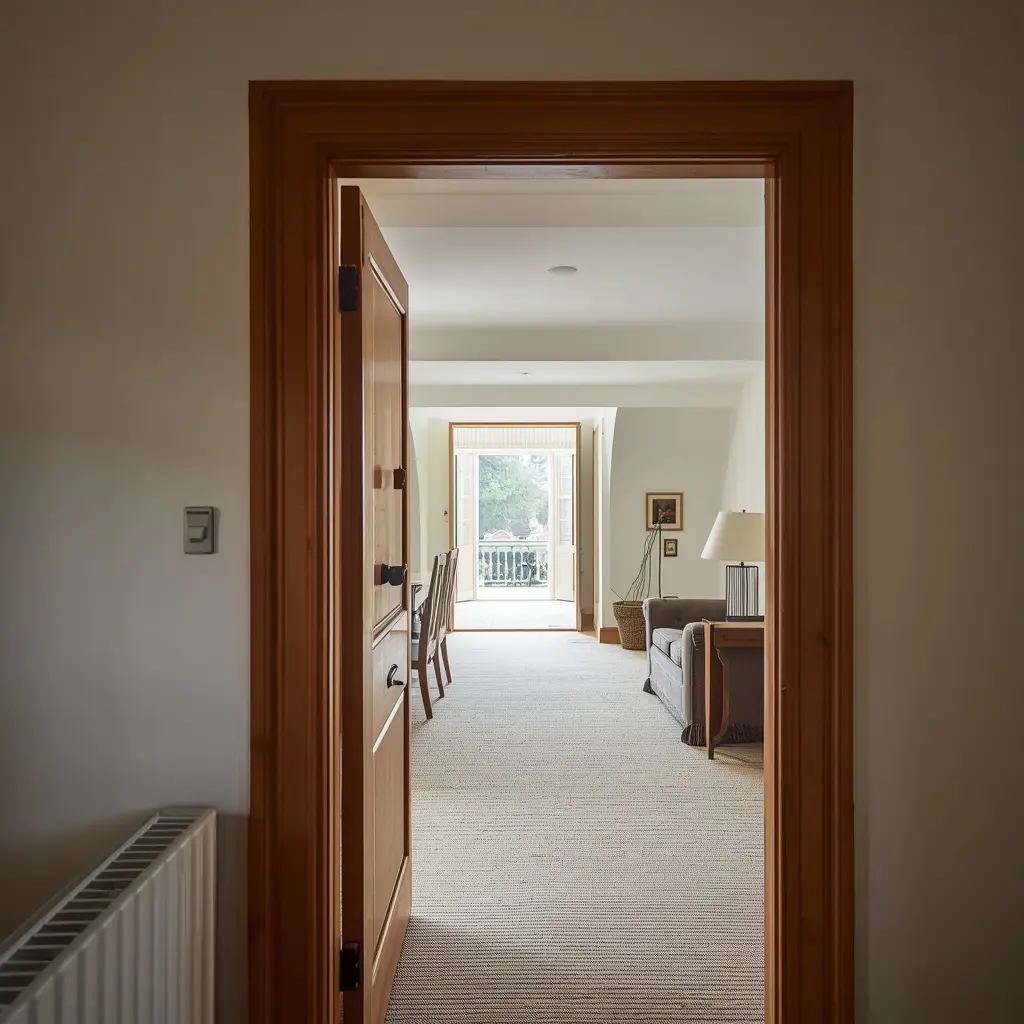
Make the existing building support modern life.
Layouts, services and comfort can often improve without erasing what makes the home distinctive.
Adapt
04 · Add
Introduce new work with a clear relationship to the old.
Extensions and interventions should respond to the home, brief, context and consent position rather than imitate by default.
Add
Listed does not mean frozen
The route is more careful, not necessarily closed.
01 / 04
Design significance first
Understand what is important about the building before deciding where change is appropriate.
02 / 04
Consent can be separate
Listed building consent and planning permission are different routes and a project may need one, both or neither depending on the work.
03 / 04
Comfort still matters
Heating, insulation, glazing, services and layout can be part of the brief, but older fabric often needs more considered solutions.
04 / 04
Specialist input should be coordinated
Heritage, structural, planning and other expertise can be brought around the same design rather than treated as separate conversations.
Listed does not mean frozen
Design significance first
Understand what is important about the building before deciding where change is appropriate.
01 / 04
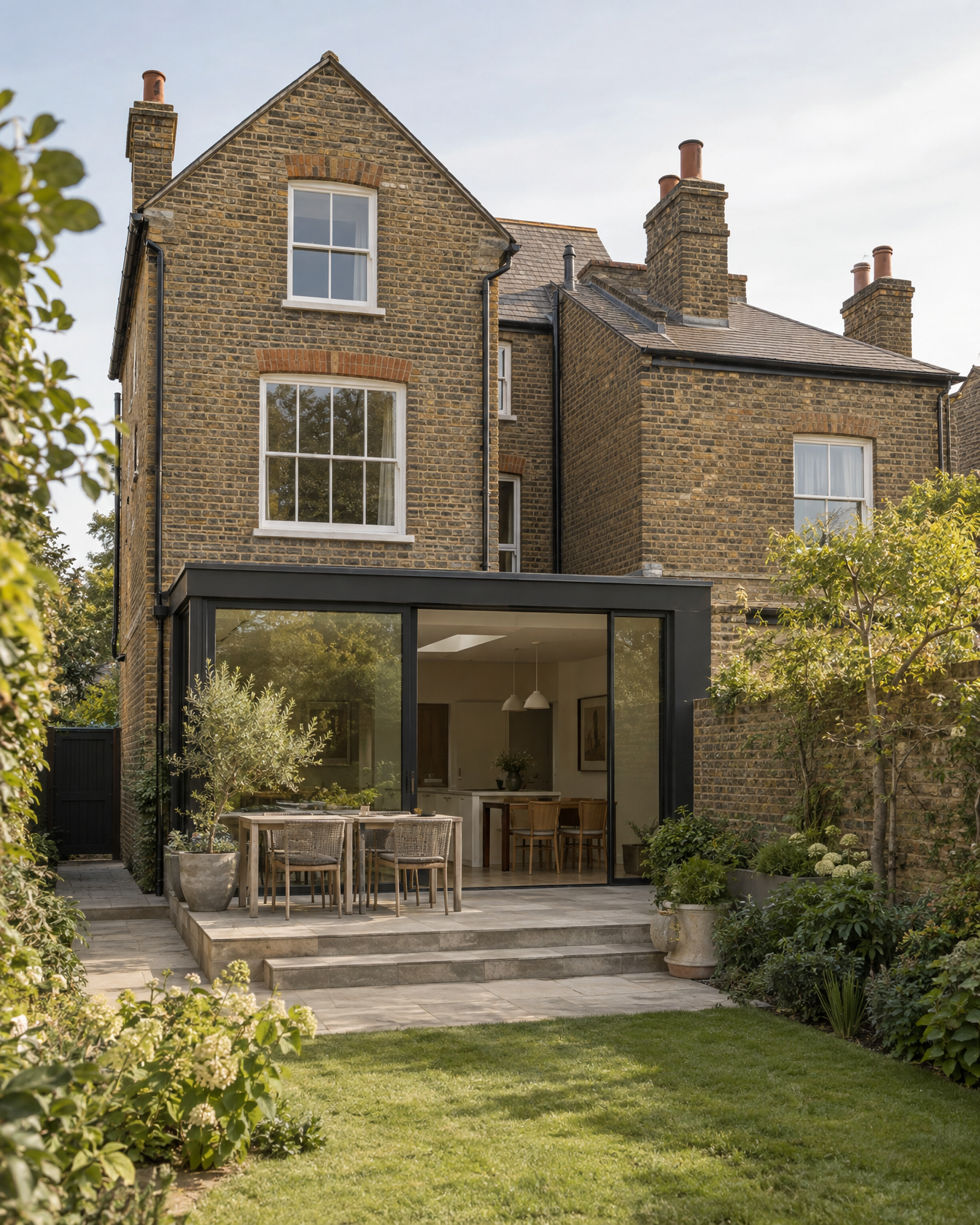
Listed does not mean frozen
Consent can be separate
Listed building consent and planning permission are different routes and a project may need one, both or neither depending on the work.
02 / 04
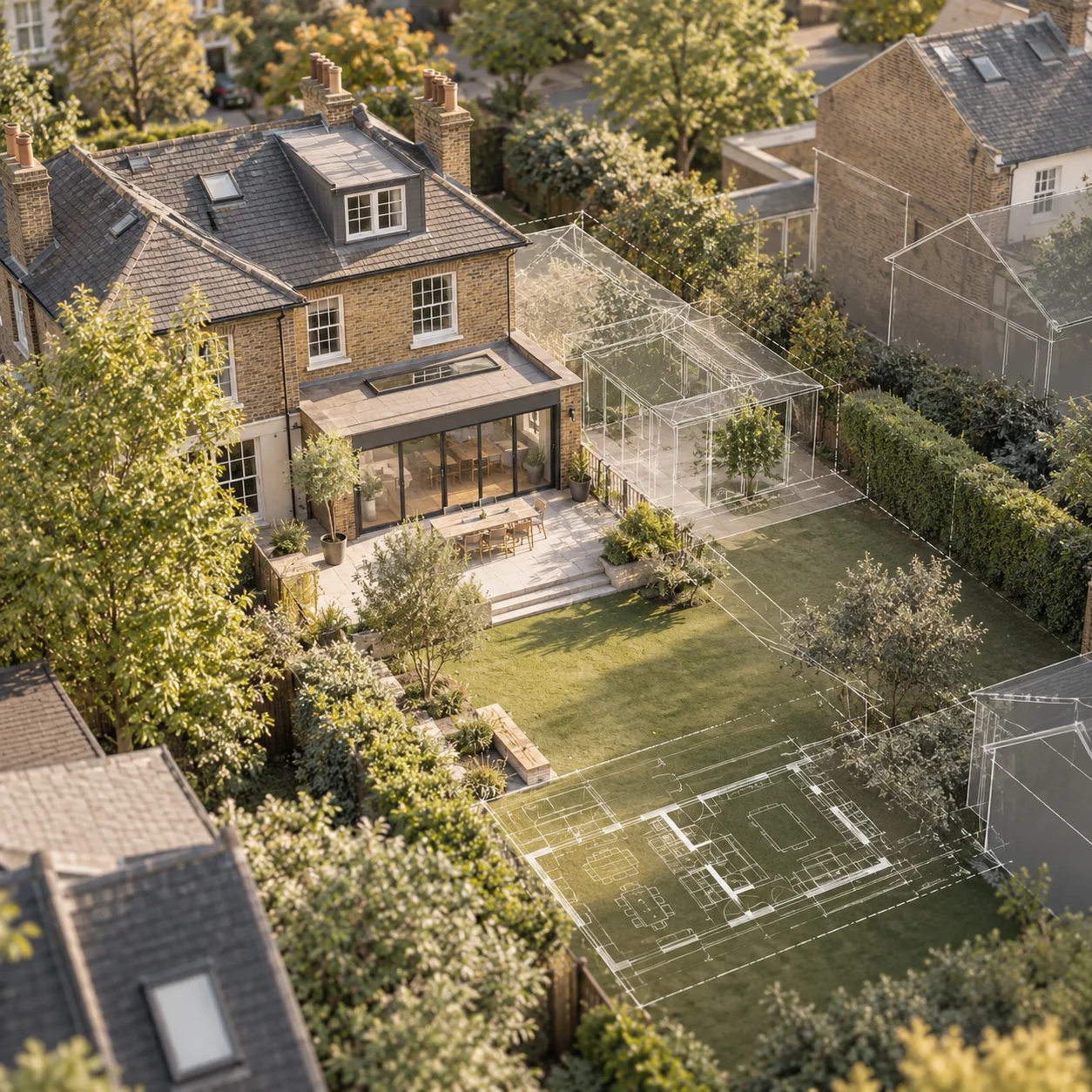
Listed does not mean frozen
Comfort still matters
Heating, insulation, glazing, services and layout can be part of the brief, but older fabric often needs more considered solutions.
03 / 04
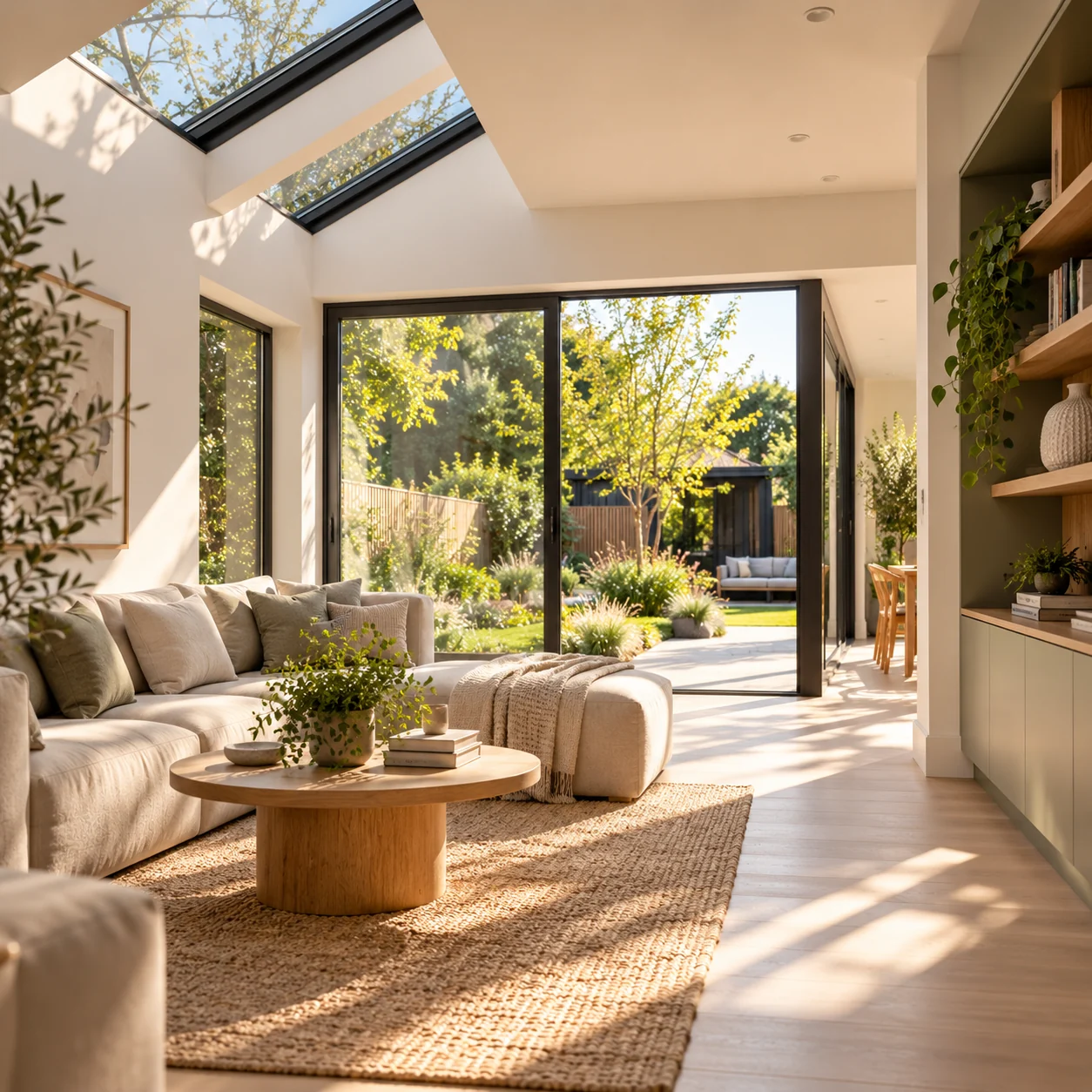
Listed does not mean frozen
Specialist input should be coordinated
Heritage, structural, planning and other expertise can be brought around the same design rather than treated as separate conversations.
04 / 04
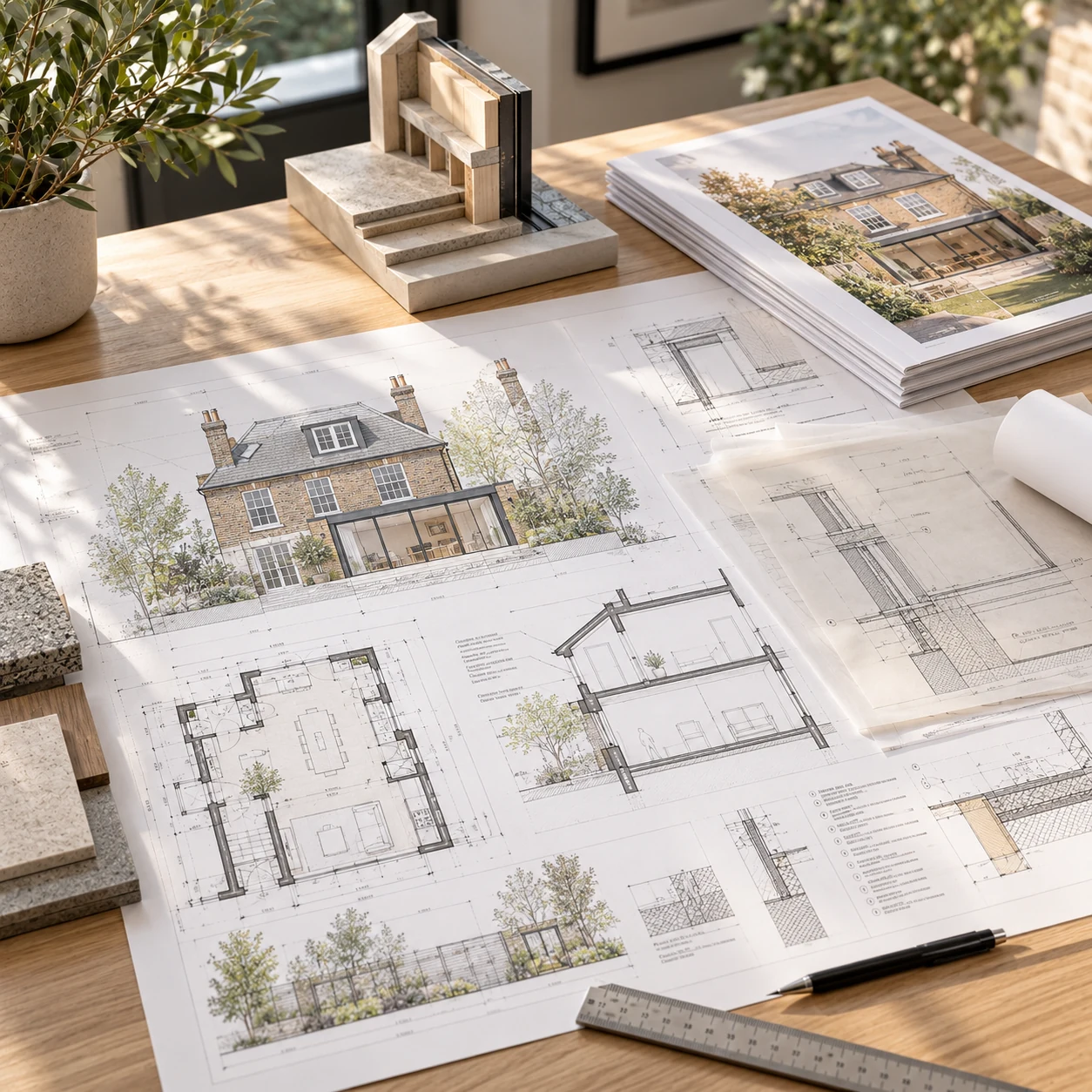
Next outcomePrevious outcome
Next outcomePrevious outcome
Next outcomePrevious outcome
How Love works
From first survey to coordinated design.
Older-home projects benefit from a clear sequence that understands the building before pushing into design and consent.
Heritage & Conservation- 01
Understand
Review the property, fabric, history and known constraints.
- 02
Define
Clarify the homeowner brief and what needs to improve.
- 03
Design
Develop options around character, significance and everyday use.
- 04
Consent
Coordinate planning, listed-building or other relevant approval routes where required.
- 05
Develop
Bring the agreed design into technical and specialist coordination.
- 06
Related advice
Before you change a listed or period home
Let’s start with a conversation
Tell us what matters to you and what you want to change.
Share what you know about the property and its status. We can help identify the right architectural, planning and specialist route from there.
Start With Your Home