
New build homes
A home designed from first principles.
A one-off new home or replacement dwelling gives you the chance to start with what matters most — the site, the brief, how you want to live and what the project needs to achieve over time. We use those inputs to shape the architecture rather than starting with a style.
Start With Your Home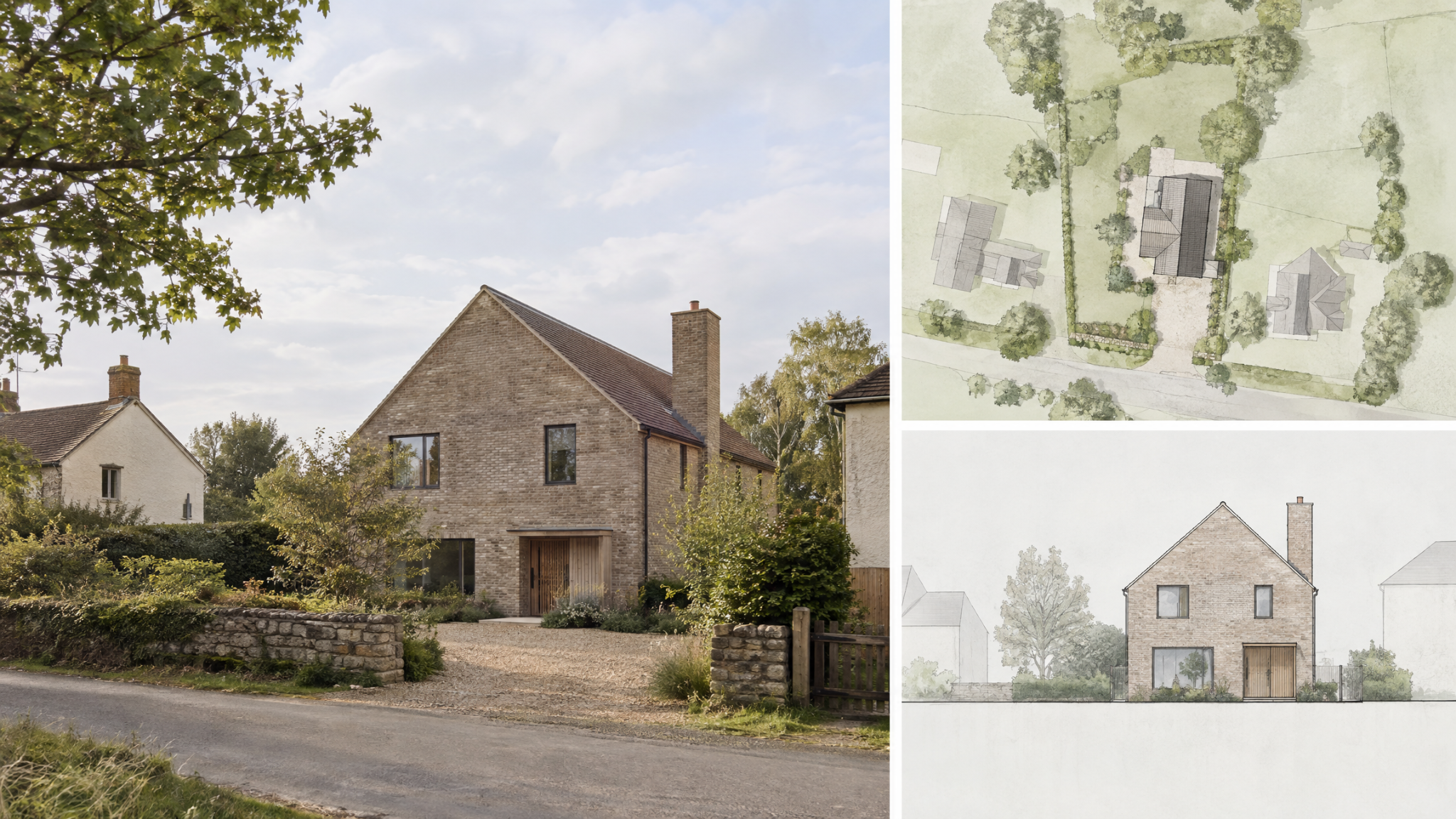
Conceptual · Site + brief + architectural response
The brief comes first
Design the life first. Then shape the house around it.
01 / 04
How should everyday life flow?
Cooking, eating, relaxing, working, hosting and quieter moments all need the right relationships rather than simply enough rooms.
02 / 04
What needs privacy and what should connect?
Bedrooms, workspaces, family rooms and outdoor spaces each need different degrees of separation, visibility and acoustic comfort.
03 / 04
What should the house do over time?
Flexibility, ageing, storage, changing family patterns and future technology are easier to design for at the beginning than retrofit later.
04 / 04
Where should the budget do the most work?
Good design is not about maximising complexity. It is about deciding where space, structure, glazing and specification genuinely add value.
The brief comes first
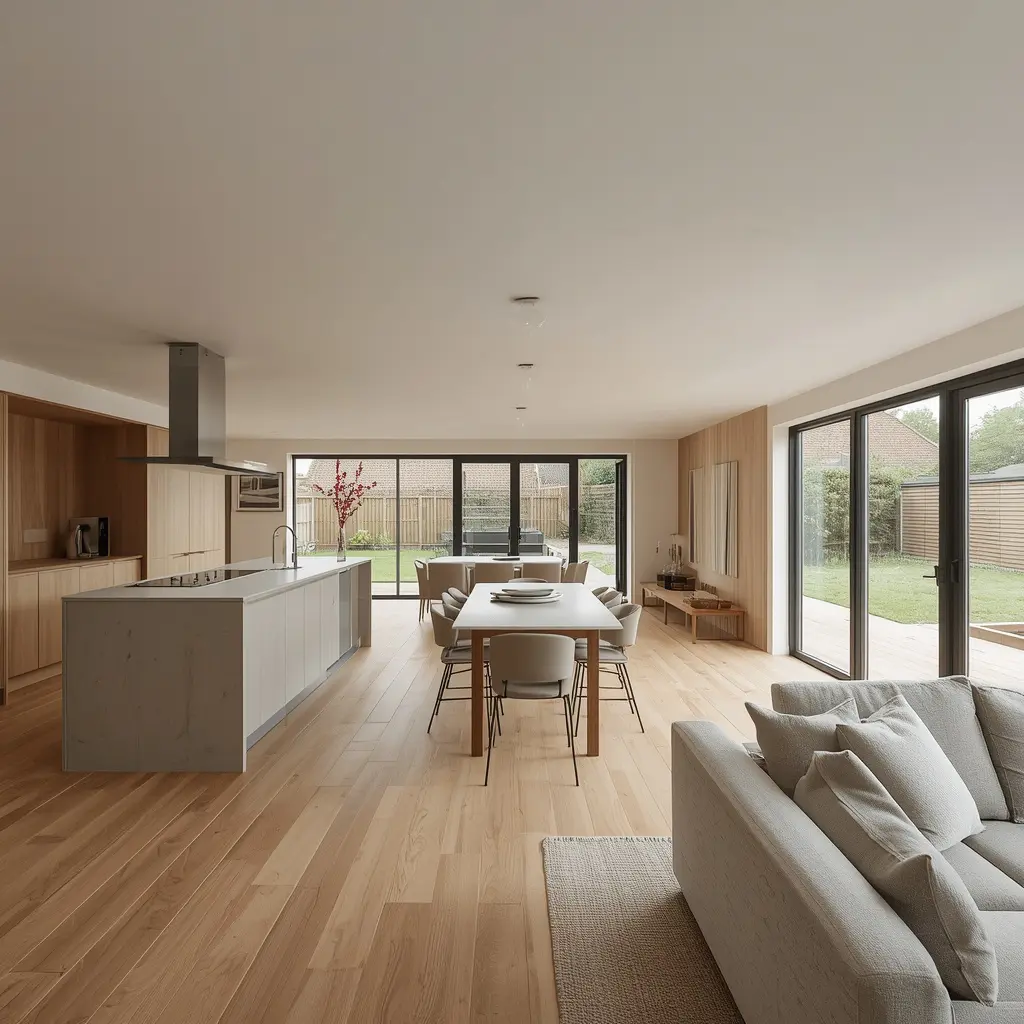
How should everyday life flow?
Cooking, eating, relaxing, working, hosting and quieter moments all need the right relationships rather than simply enough rooms.
01 / 04
The brief comes first
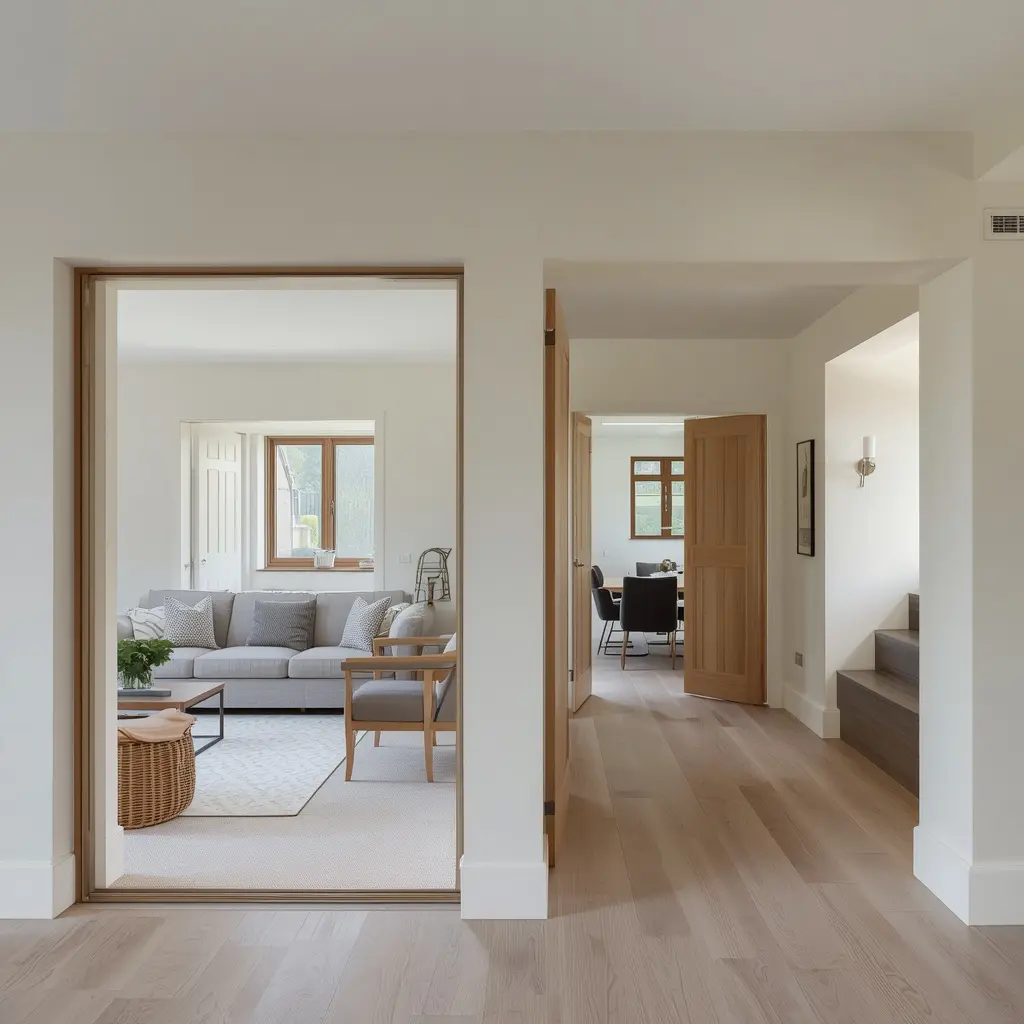
What needs privacy and what should connect?
Bedrooms, workspaces, family rooms and outdoor spaces each need different degrees of separation, visibility and acoustic comfort.
02 / 04
The brief comes first
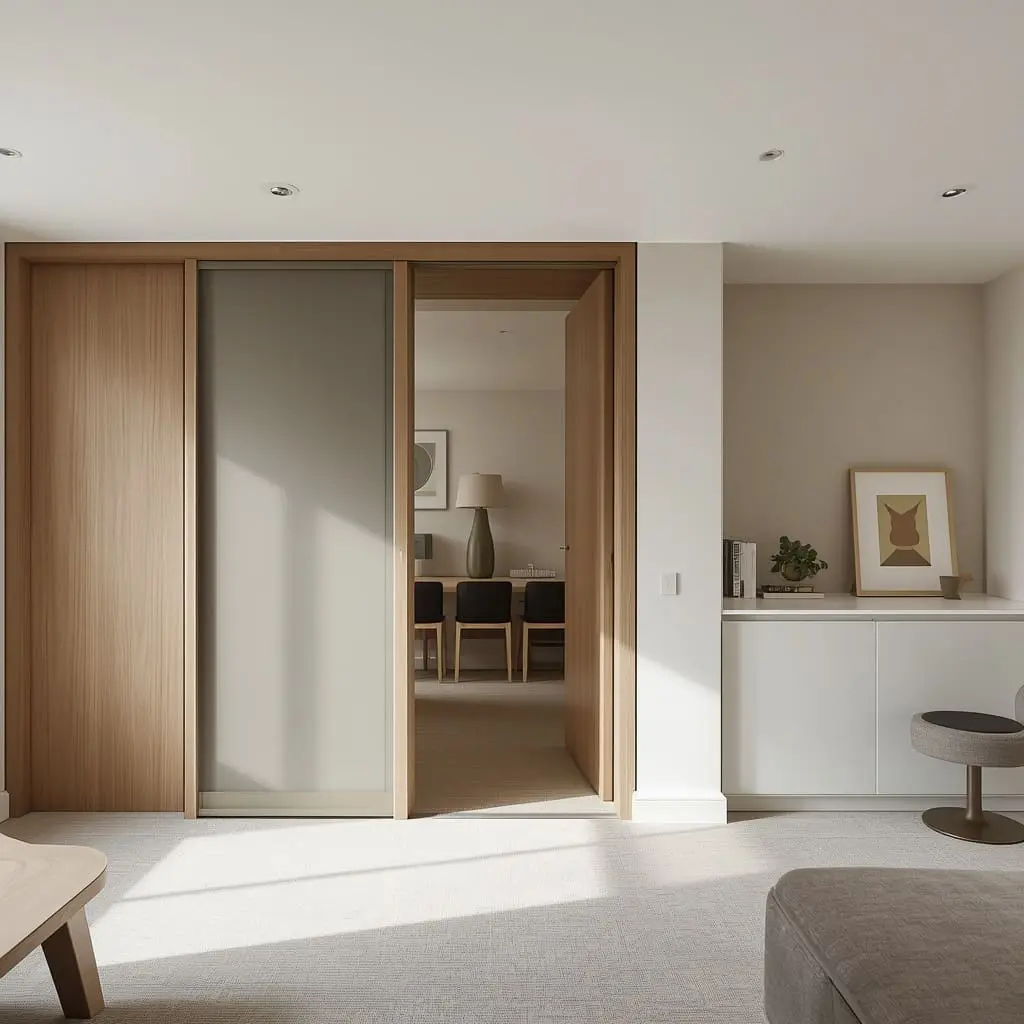
What should the house do over time?
Flexibility, ageing, storage, changing family patterns and future technology are easier to design for at the beginning than retrofit later.
03 / 04
The brief comes first
Where should the budget do the most work?
Good design is not about maximising complexity. It is about deciding where space, structure, glazing and specification genuinely add value.
04 / 04
Next outcomePrevious outcome
Next outcomePrevious outcome
Next outcomePrevious outcome
Site response
Let the site do some of the designing.
Orientation, level, access, neighbouring buildings, views, trees, drainage and planning context all shape what a new home can become. They are design inputs from the start, not paperwork to deal with afterwards.
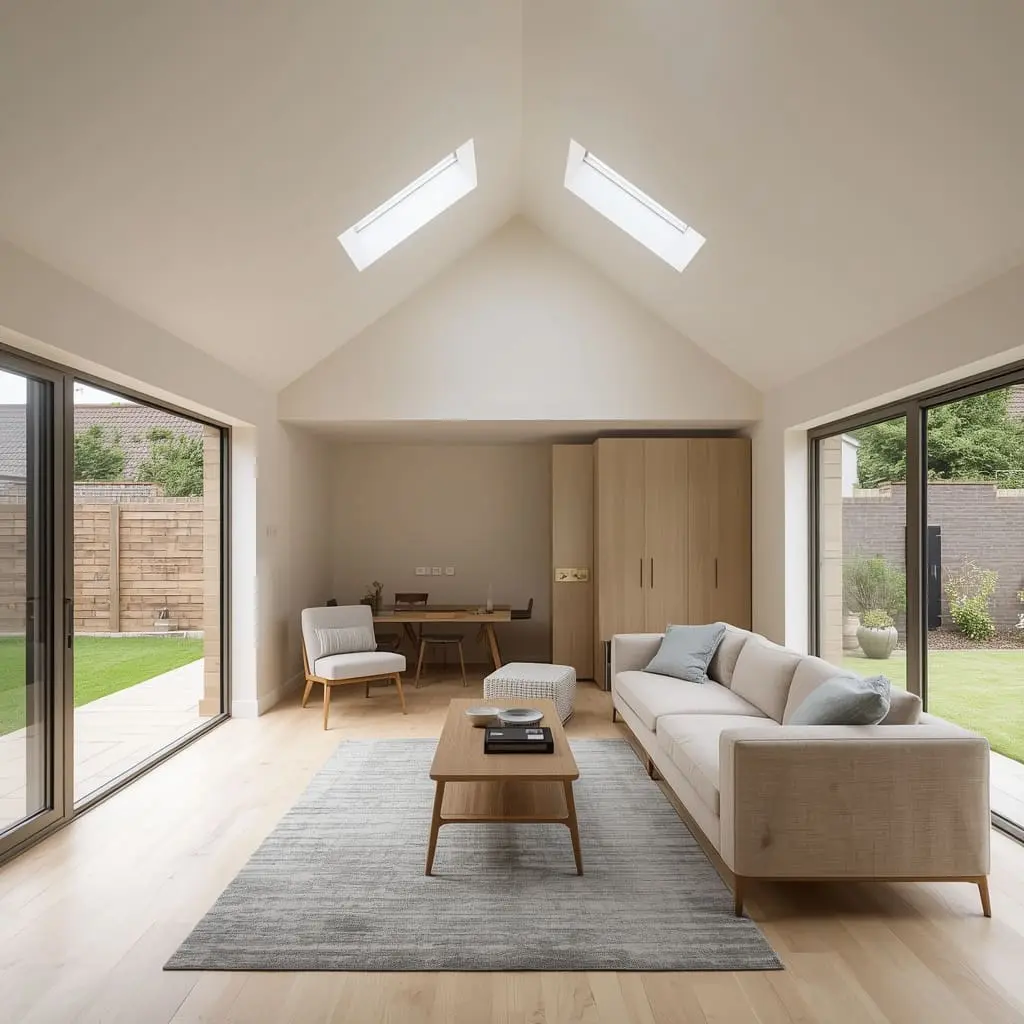
Explore planning & permitted development01 · Orientation
Start with sun, daylight and outlook.
The position of the site and the best views help establish where rooms, openings and outdoor spaces should sit.
Orientation
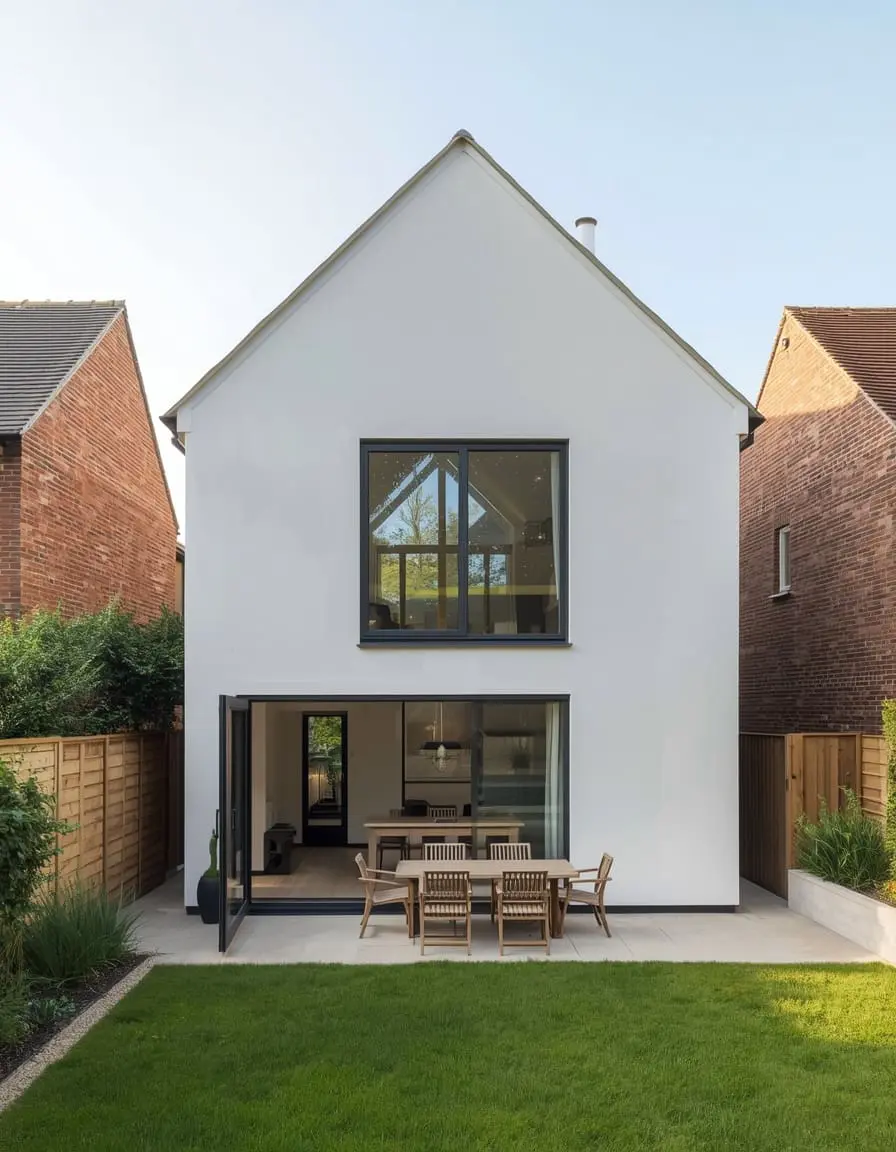
02 · Access
Make arrival and movement work naturally.
Vehicle access, pedestrian routes, levels and servicing can all influence how the plan and massing are organised.
Access + levels
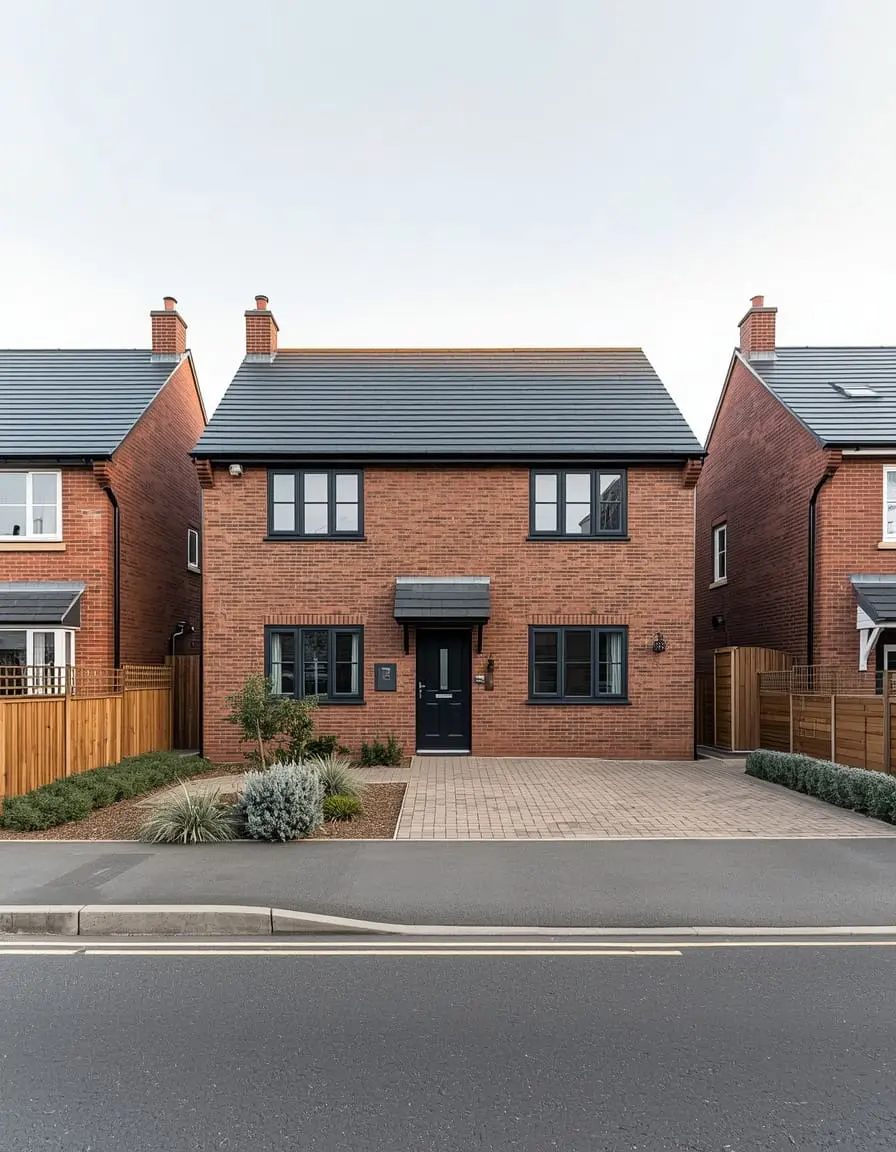
03 · Context
Respond to neighbours and character without copying them.
Scale, distance, privacy, street character and local policy all help define the envelope within which the design can develop.
Context
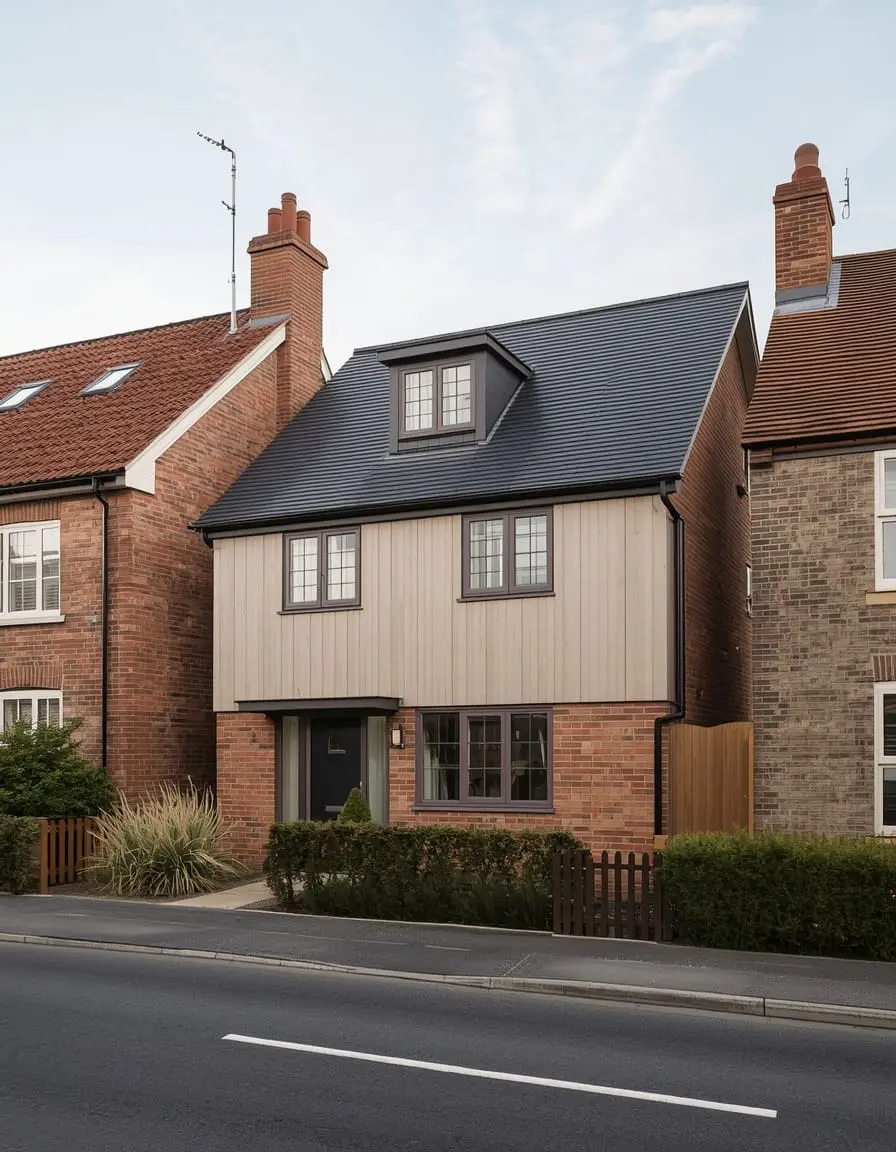
04 · Opportunity
Turn constraints into a clear architectural response.
Once the site is understood, the design can use its strongest qualities while reducing avoidable planning, technical and buildability problems.
Design opportunity
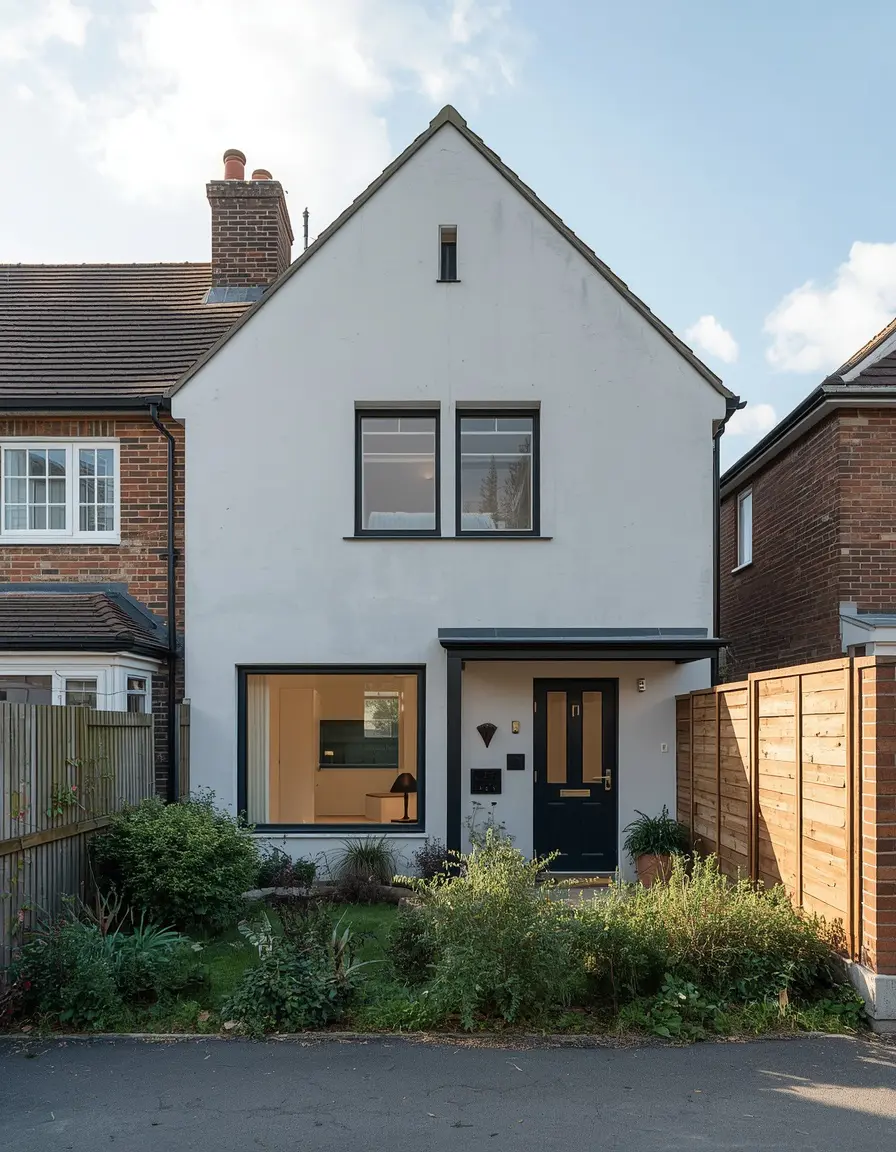
From site to build information
A clear route from possibility to coordinated detail.
The exact appointments vary by project, but the design journey should remain connected from the first brief through planning, structural input, Building Regulations and information for construction.
Explore Architectural Services- 01
Brief
Define what the home needs to support, the site you have and the priorities that matter most.
- 02
Site
Understand orientation, access, context, constraints and the planning position.
- 03
Options
Test credible design directions before committing to one answer.
- 04
Planning
Develop the preferred proposal around the planning route and supporting information.
- 05
Technical
Coordinate architectural drawings, structure, Building Regulations and specialist input as required.
- 06
Budget & buildability
Budget is a design input, not a correction at the end.
Floor area, form, glazing, structural spans, ground conditions, services, access and specification all affect how difficult and expensive a new home is to build. Good design uses those realities early rather than discovering them after planning.
Ideas & AdviceForm and floor area
Simple, efficient forms can reduce unnecessary envelope and complexity while still creating a distinctive home.
Structure and site
Spans, retaining work, levels, foundations, access and ground conditions can materially influence both design and cost.
Specification and energy
Glazing, fabric performance, services, finishes and the level of bespoke detail should be aligned with the budget from the outset.
When should I involve an architect in a new build?
As early as possible is usually useful, because the brief, site, planning context, budget and design options are closely connected. Early architectural input can help establish the right questions before major decisions are fixed.
Can Love help with a replacement dwelling?
Yes. Replacement-home projects can be approached as new-build architecture while also accounting for the existing property, the site, planning history and the reasons a replacement is being considered.
Do I need planning permission for a new home?
A new dwelling normally requires planning permission. The strategy is site-specific and should be developed around the local context, policy, access, scale, massing and neighbouring relationships rather than assuming approval.
Can you help with self-build projects?
Yes. The same first-principles approach applies: establish the brief and budget, understand the site, test design options and coordinate the planning and technical route around the project.
How long does designing a new home take?
The programme depends on the site, the complexity of the brief, how quickly design decisions are made, the planning route and the level of technical development required. We set out the stages and dependencies clearly rather than offering a one-size-fits-all timescale.
How are structural engineering and Building Regulations coordinated?
The architectural design, structural strategy and Building Regulations requirements need to be developed together as the project becomes more detailed. Specialist roles and responsibilities are confirmed for the particular project rather than assumed to be identical every time.
Can you help establish whether my site has potential?
We can help assess the site in the context of your brief, planning position, access, orientation and other obvious constraints so you can make a more informed decision about the opportunity and the next stage.
Start with the site, the brief and the ambition
You do not need to arrive with a finished plan.
Tell us about the site, the home you want to create and what matters most. We can help shape the brief, test the opportunity and work out the route from there.
Start With Your Home