
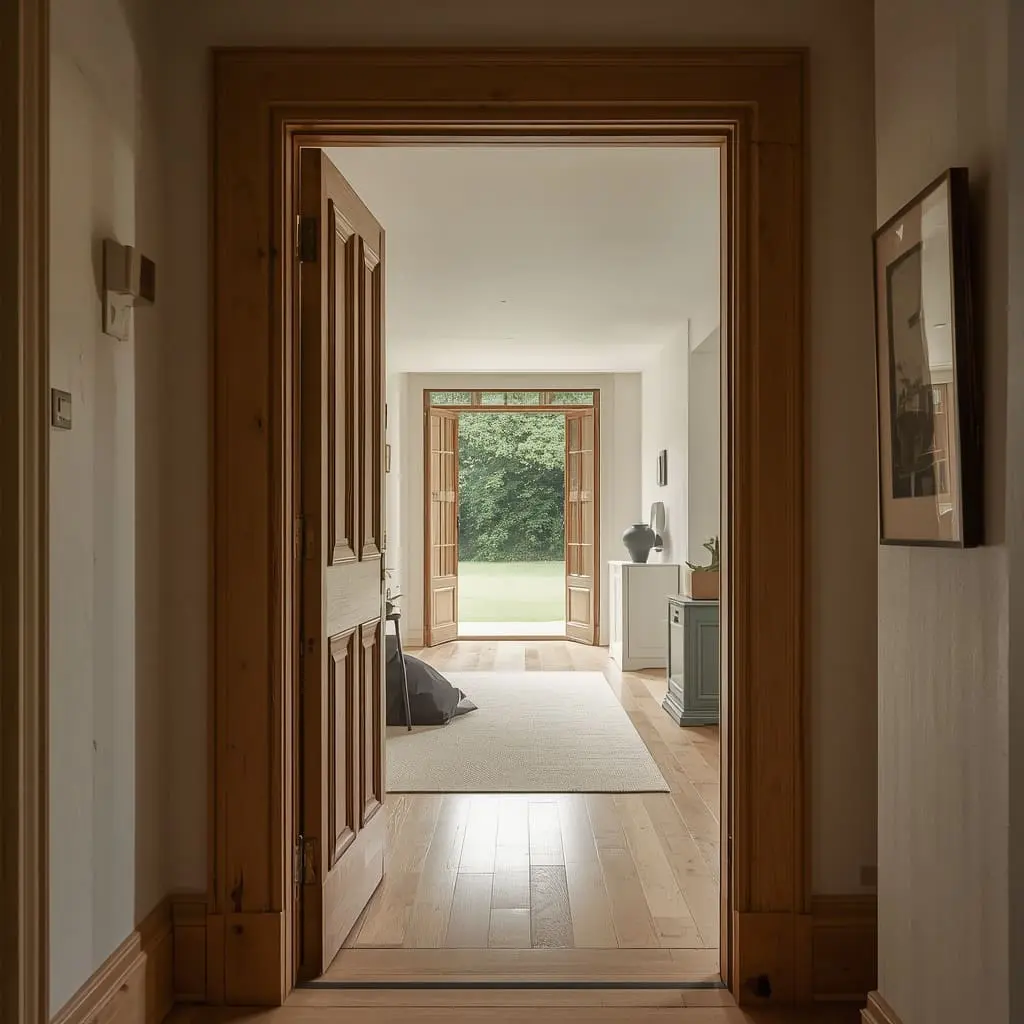
Living in a conservation area does not mean every change needs planning permission, but some permitted-development rights are more restricted and local Article 4 Directions can remove rights that would otherwise apply.
The result is that work that might be straightforward on one street can need a different planning route in a conservation area.
What is different in a conservation area?
Conservation areas are designated because of their special architectural or historic interest. Planning decisions pay particular attention to the character and appearance of the area.
Some forms of development have tighter permitted-development limits in conservation areas, and certain alterations that might not need permission elsewhere can require it.
What is an Article 4 Direction?
An Article 4 Direction is a local planning control that can remove specified permitted-development rights. It is used where the local authority wants closer control over changes that could gradually erode the character of an area.
The restrictions are area-specific. They can affect changes such as windows, doors, roof alterations, boundary treatments or other external features depending on the direction in force.
Do extensions need planning permission in a conservation area?
Sometimes. The answer depends on the extension, the property and the specific planning controls affecting the site. Conservation-area status can restrict some permitted-development routes, so the normal householder rules should not be assumed to apply unchanged.
What about loft conversions?
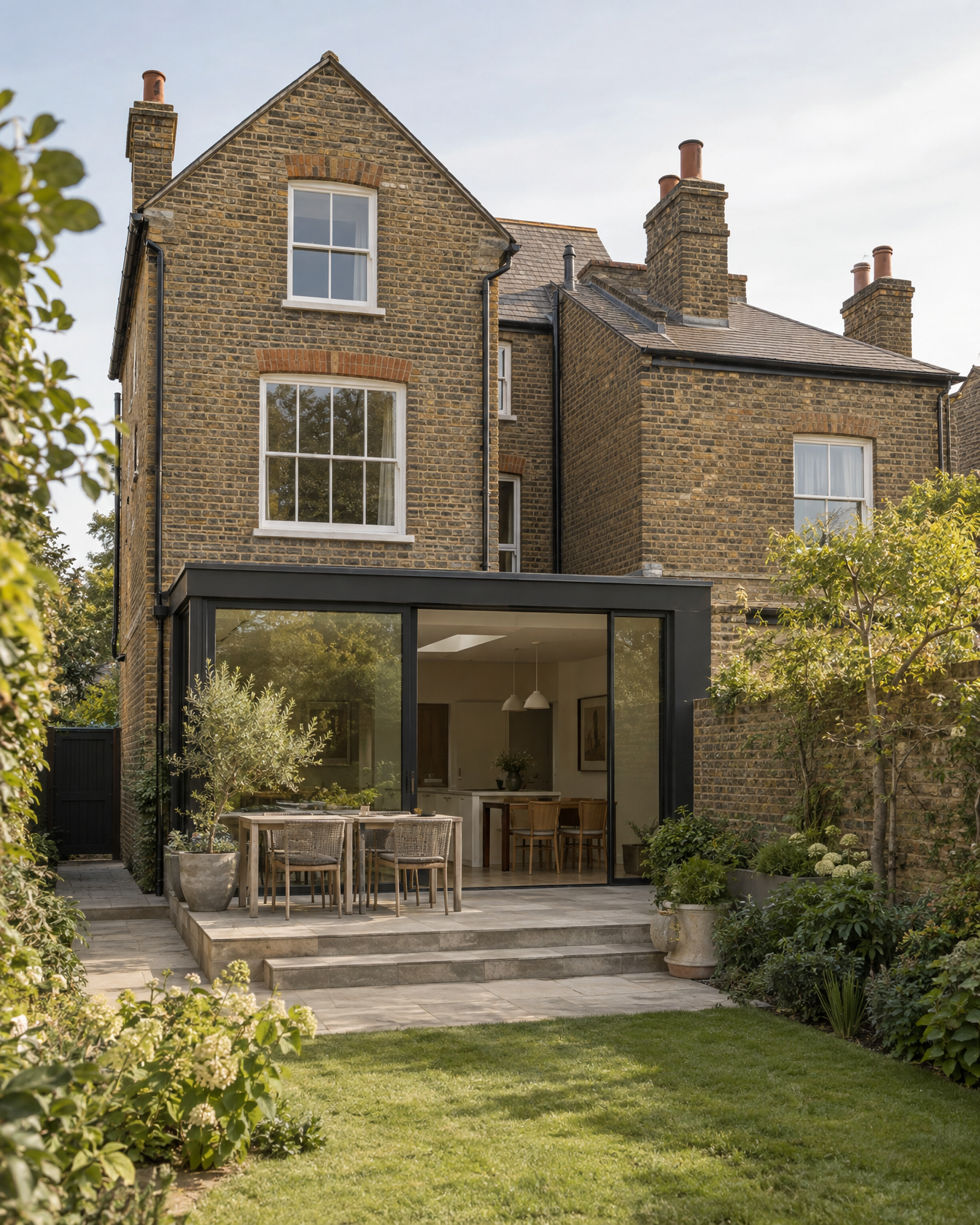
Roof alterations and dormers can face tighter controls in conservation areas. The exact answer depends on the proposal and the designation, so the planning route should be established before the loft design is fixed.
What about windows, doors and other smaller changes?
Some changes may remain permitted development, but an Article 4 Direction can bring additional work under planning control. Historic England recommends checking with the local planning authority to establish whether an Article 4 Direction applies to the property.
Does conservation area status mean the design has to copy the old building?
No. The important issue is how the proposal responds to the significance, character and context of the building and area. A well-judged contemporary intervention can sometimes be more honest than a weak imitation, but the planning case needs to be developed around the actual context.
The useful first step
Before designing around a permitted-development assumption, check the conservation-area status, any Article 4 Direction and the local planning context. That gives the design a realistic framework from the beginning.
If you are considering changes to a home in a conservation area, start with your home.
This article is general guidance for England and is not a substitute for project-specific planning or heritage advice.