
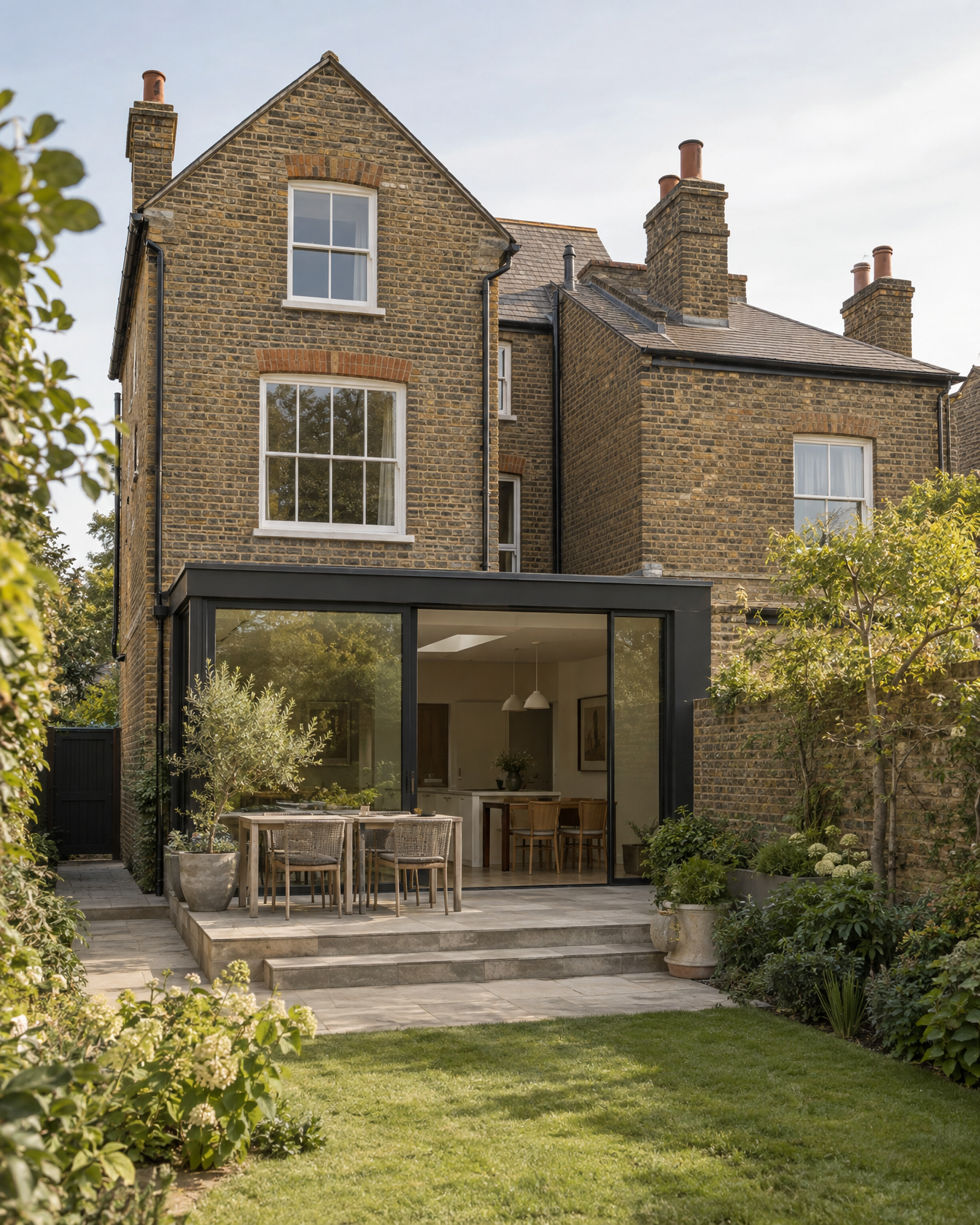
Listed building consent is required in England where proposed demolition, alteration or extension would affect the character of a listed building as a building of special architectural or historic interest.
That can include both external and internal work. The fact that a change is inside the building does not automatically take it outside the listed-building consent regime.
Is listed building consent the same as planning permission?
No. They are separate consent systems. A project may need planning permission, listed building consent, both, or in some cases neither, depending on the work proposed.
For a listed home, the safest approach is to establish both questions early rather than assume one approval covers the other.
What kind of work can require listed building consent?
The test is whether the work would affect the building’s special architectural or historic character. That can include:
- extensions;
- partial demolition;
- removing or altering internal walls;
- changing windows or doors;
- altering fireplaces, staircases or other significant internal features;
- changes to external materials or historic fabric.
Because significance varies from one building to another, apparently minor changes can matter more on one listed property than on another.
Does the whole building count as listed?
Listing normally covers the whole building, inside and out, and can also extend to certain fixed objects and some structures within the curtilage. The exact position should be checked for the property rather than assumed from the list description alone.
Is there an application fee?
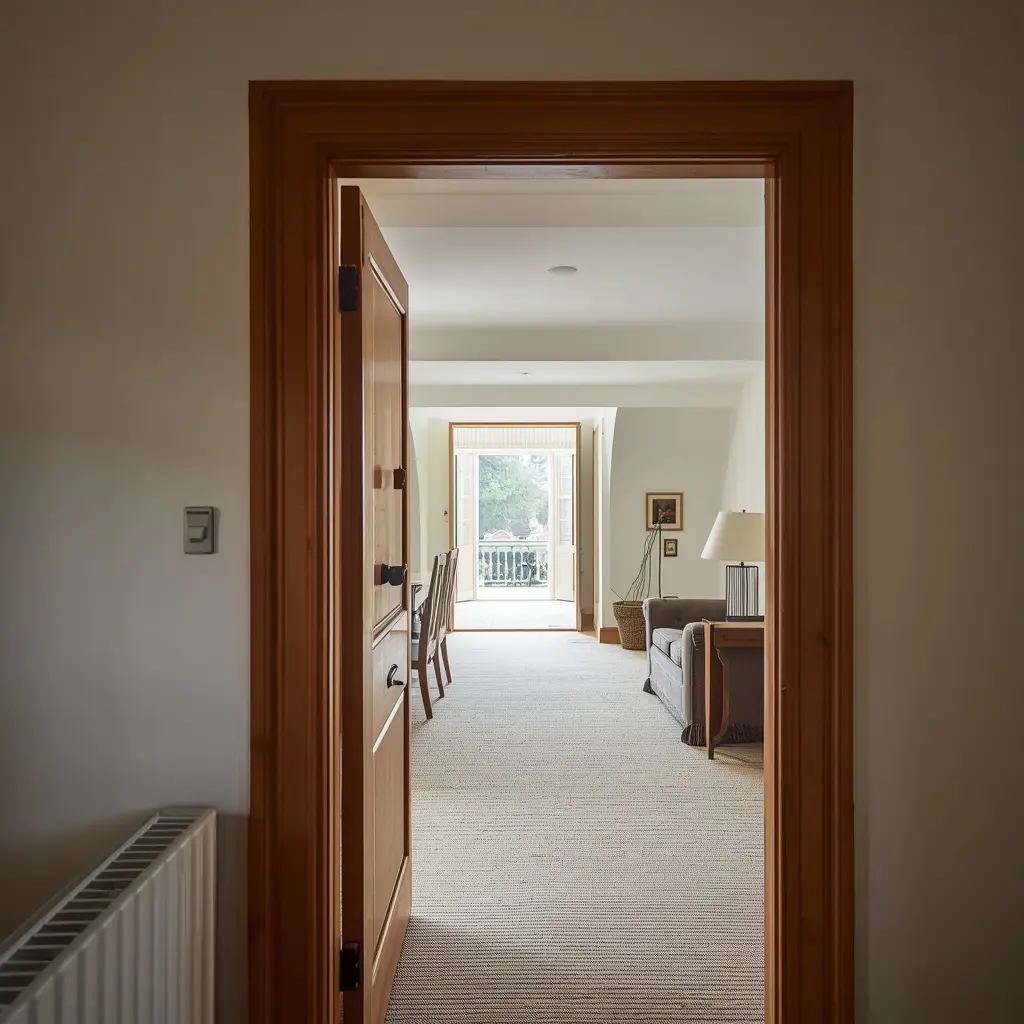
Government planning guidance states that there is no application fee for listed building consent itself. That does not mean the wider project is cost-free: professional design, survey, heritage, planning or specialist work may still be required.
Why design significance before design style?
Heritage projects are stronger when the existing building is understood before the intervention is designed. The useful questions are what genuinely contributes to significance, what has already been altered, what condition the fabric is in and how the homeowner’s brief can be met without unnecessary loss.
See Heritage & Conservation and Listed & Period Homes.
What happens if work is carried out without consent?
Carrying out works that require listed building consent without first obtaining it can be a criminal offence. That is why the consent position should be established before work begins.
The useful first step
Start by identifying the listed status, understanding the existing building and defining the proposed change clearly enough to assess whether the work affects special architectural or historic interest.
If you are considering changes to a listed home, start with your home and share what you know about the building and the work you are considering.
This article is general guidance for England and is not a substitute for project-specific planning, heritage or legal advice.