

Planning permission and permitted development are often spoken about as if they are two versions of the same application. They are not.
In England, planning permission normally means making an application to the local planning authority for a proposal to be assessed. Permitted development refers to nationally granted planning rights that can allow certain works to proceed without a full planning application, provided the relevant limitations and conditions are met.
The practical question for a homeowner is not which route sounds easier. It is which route actually applies to the property and the work being proposed.
What is permitted development?
Permitted development rights allow certain types of development to take place without a full planning application where the proposal satisfies the rules for that class of development.
Those rights are subject to limits, conditions and exceptions. They also do not apply in the same way to every property. Flats and maisonettes, listed buildings, homes created through certain changes of use, designated areas, planning conditions and Article 4 directions can all affect the position.
Some forms of permitted development also require a prior approval process before work begins. That is still different from a standard householder planning application.
What is planning permission?
Where a proposal is outside permitted development rights, or where those rights do not apply, a planning application may be required.
The local planning authority considers the proposal against the relevant planning policy and material planning considerations. Depending on the project, that can include matters such as scale, appearance, neighbouring impact, privacy, character and the relationship to the site and surrounding area.
Why the answer is property-specific
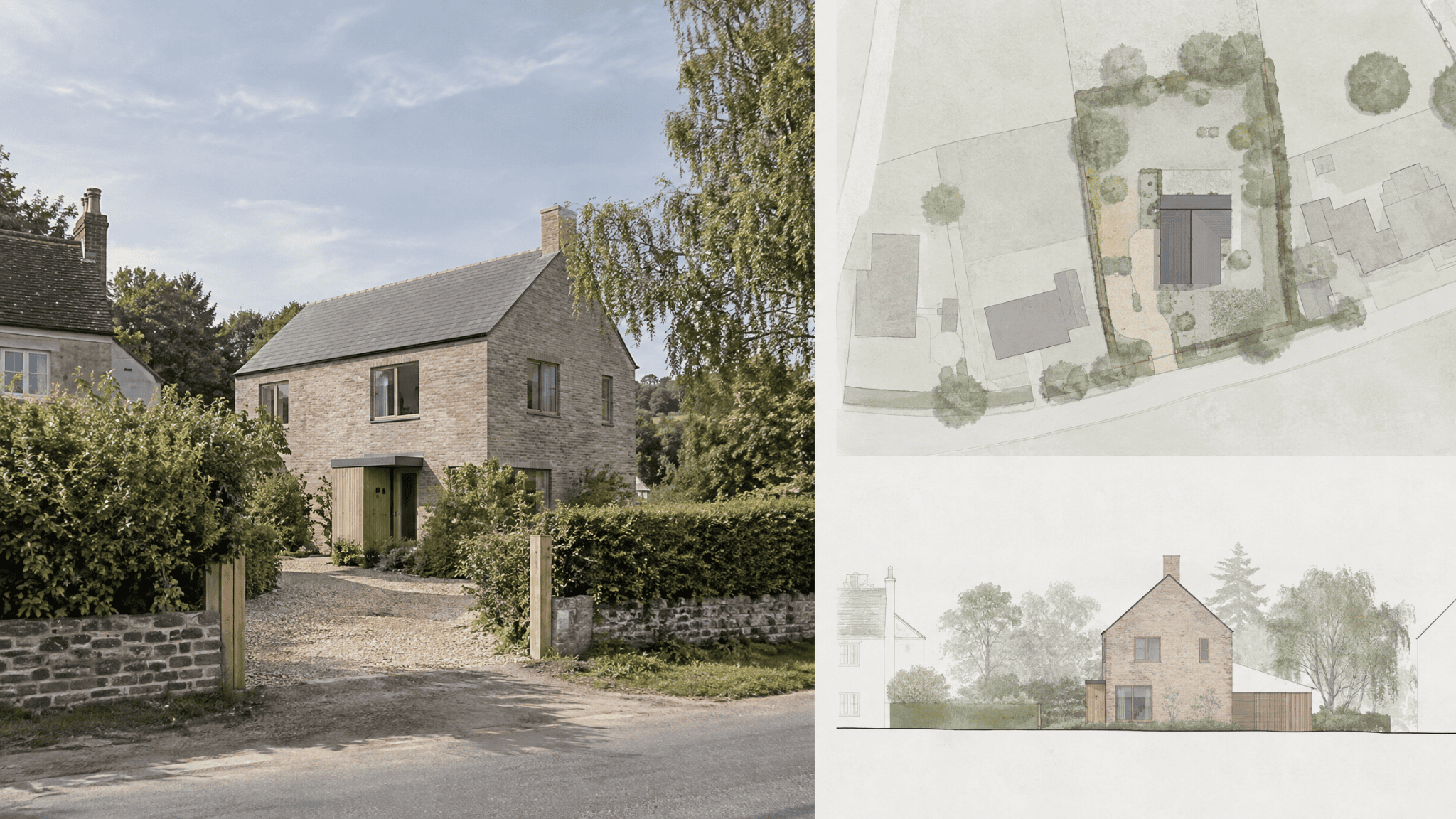
A rear extension that may qualify as permitted development on one house can require planning permission on another. The difference may be the property type, previous extensions, the position of the work, local restrictions, heritage context or another site-specific factor.
That is why copying what a neighbour has built is not a reliable planning strategy. Their project may have been approved under different rules, at a different time or through a different route.
What about a lawful development certificate?
Where you intend to rely on permitted development rights, a lawful development certificate can provide formal confirmation from the local planning authority that the proposed development is lawful.
It is not the same as planning permission, but it can provide useful certainty — particularly when a future buyer, solicitor, lender or other party may need evidence of the planning position. See Lawful development certificate: what is it and when is it useful?
And what is prior approval?
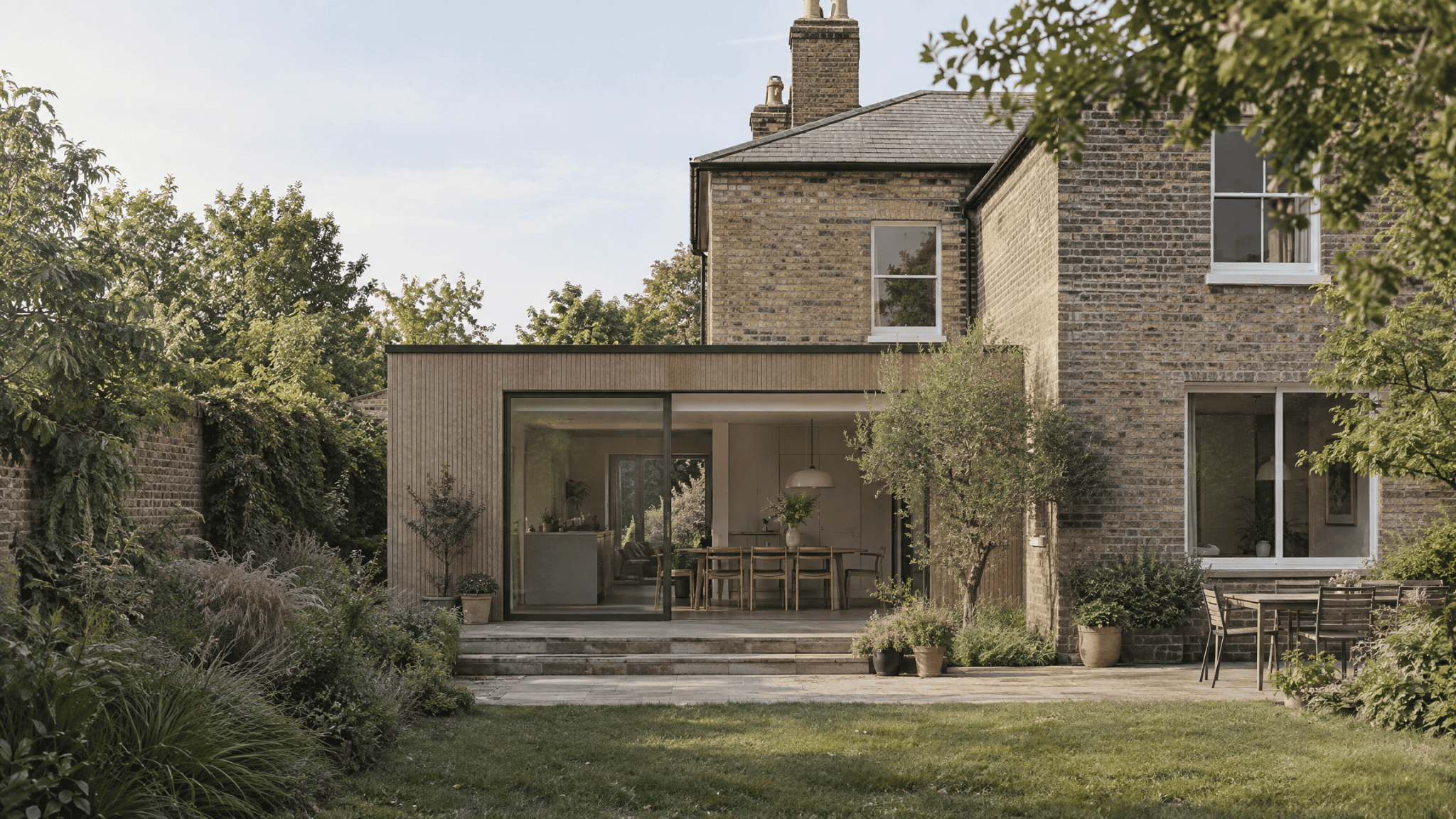
Certain permitted development rights are conditional on a prior-approval process. In those cases, you still need to make an application to the local planning authority before starting work, but the authority is considering the specific matters defined by that permitted development right rather than assessing a standard planning application in the usual way.
Planning permission is separate from Building Regulations
Planning and Building Regulations are different systems. A project can be permitted development and still need Building Regulations approval. Likewise, receiving planning permission does not mean the technical design is complete or ready to build.
See Building Regulations & Technical Design for the next technical layer.
How do you work out which route applies?
Start with the property and the actual proposal. Useful checks include:
- the property type;
- what has previously been added or altered;
- the position, height and scale of the proposed work;
- whether the property is listed or in a conservation or other designated area;
- whether an Article 4 direction or planning condition restricts permitted development rights;
- whether the proposal falls within a class that requires prior approval;
- whether a lawful development certificate would be sensible.
For a house extension, loft conversion or other residential alteration, the planning route should be established early enough to influence the design rather than being checked after the design is already fixed.
Our Planning & Permitted Development service page explains how Love approaches that stage.
The simple version
Permitted development can allow certain works to proceed without a full planning application, but only where the rules genuinely apply. Planning permission is the application route used where the proposal needs the local planning authority’s approval.
If you are unsure which applies to your home, do not design around a guess. Start with your home, and we can help establish the likely route before the project gets too far ahead.
This article is general guidance for residential projects in England and is not a substitute for project-specific planning advice or a formal determination by the relevant local planning authority.